Why More Overseas Dealers Are Switching from Japanese/European Imports to Chinese EVs in 2026
Introduction: The Coffee Shop Conversation With My Client
Last month, I was having coffee with a long-time client from Nairobi. He’s been importing used Japanese sedans for over a decade. He looked at me and said, "I’m shifting 60% of my next quarter’s budget to Chinese EVs. If I don't, my competitors down the road will eat my lunch."
He isn't alone. In my 12 years working in the Chinese auto export market here in Guangdong Province, China, I've never seen a shift happen this fast. It’s not just about "cheap cars"; it’s about a fundamental change in how we make money as distributors. If you're still on the fence, let me break down exactly why the tide is turning in 2026.
1. The Margin Gap Is Widening (And It’s Not Just About MSRP)
Everyone knows Chinese EVs are cheaper, but let’s talk about why they are cheaper and what that means for your bottom line.
Traditional European and Japanese supply chains are rigid. By the time a car reaches Mombasa or Santiago, it has passed through 3 or 4 middlemen. With Chinese NEV suppliers, many of us now offer direct FOB (Free on Board) pricing.
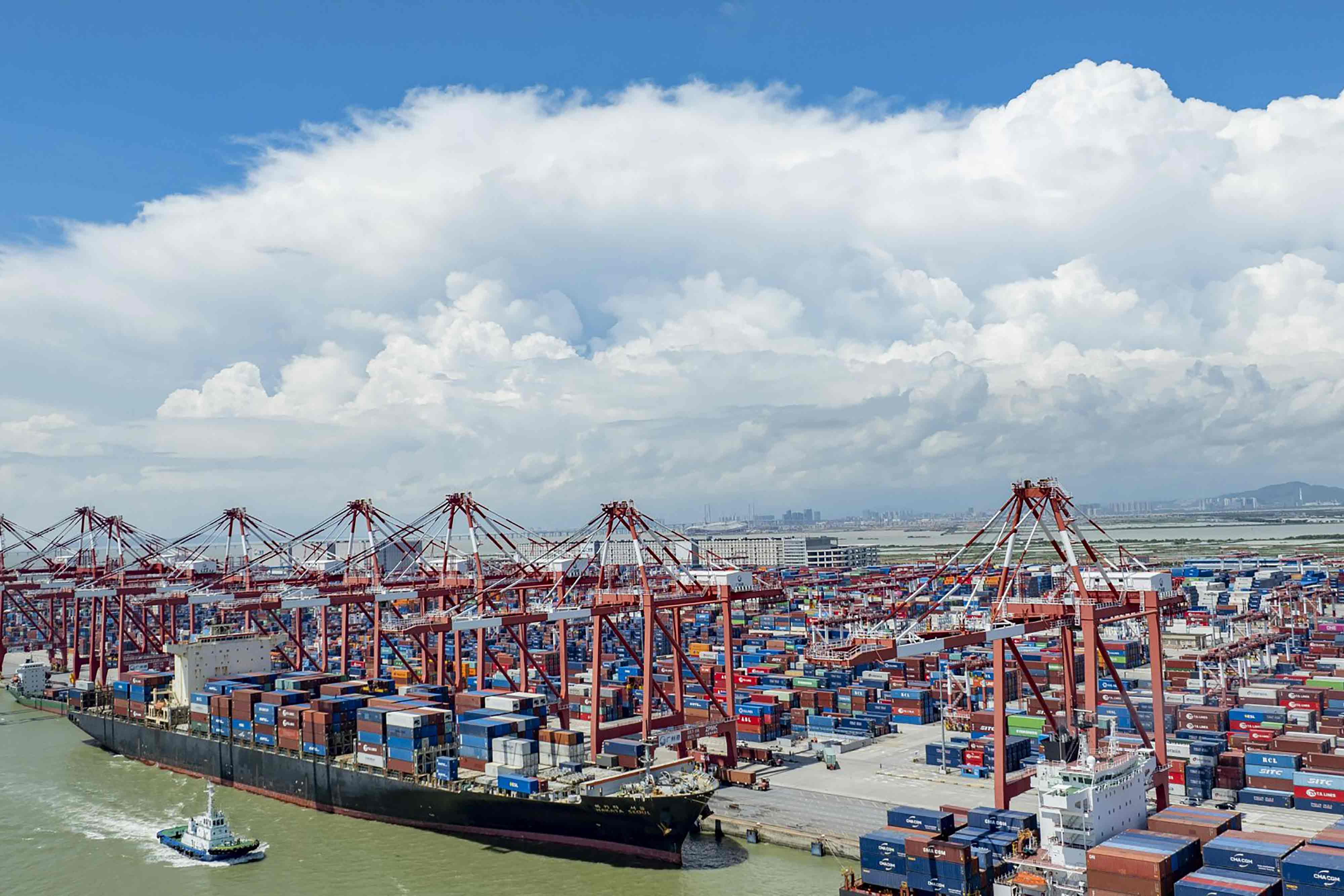
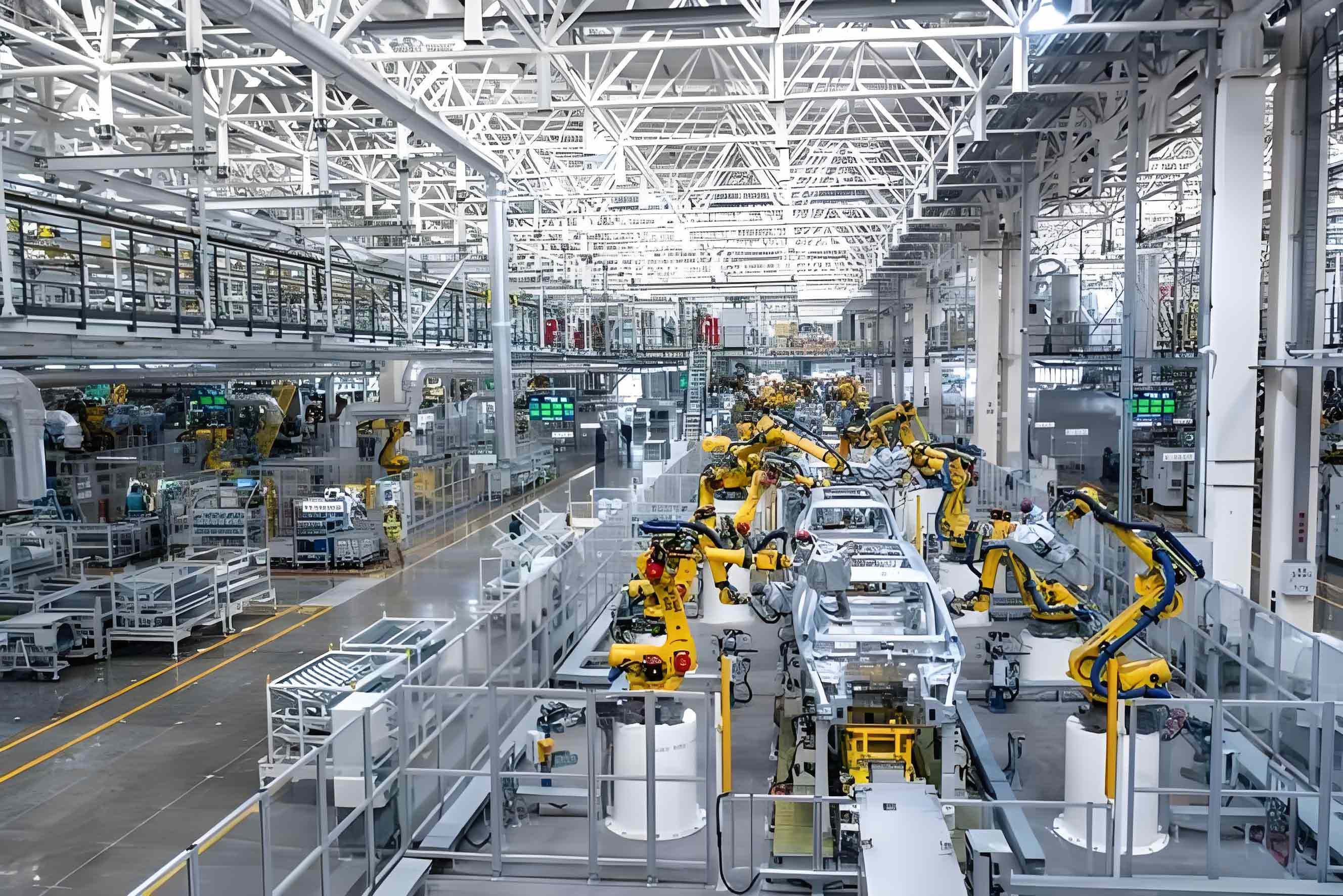
But here’s the insider bit: it’s thetotal landed cost that matters. Due to massive economies of scale in the Yangtze River Delta and Pearl River Delta clusters, the production cost for a Chinese EV is roughly 30-35% lower than a comparable European model. When you combine that with the current competitive freight rates out of Shanghai and Shenzhen, your ROI on a single unit jumps significantly. I’ve run the numbers for dealers—switching to a model like the BYD Seagull or a mid-size electric SUV can cut your inventory holding costs by nearly half.
2. Tech Obsolescence: The "Smartphone" Problem
Remember when Nokia dominated? They made great "dumb phones." Then smartphones hit. That’s where legacy automakers are right now.
European brands typically update their platforms every 6-7 years. Chinese EV makers? They operate on an 18-month cycle. They treat cars like consumer electronics.
OTA Updates: A dealer in Kazakhstan told me his European EVs felt outdated six months after purchase because the software couldn't compete with the new Chinese infotainment systems.
Battery Tech: We are seeing the standardization of Cell-to-Body (CTB) and 800V fast-charging platforms across mid-range Chinese models. For a dealer, this means you aren't selling a "car"—you're selling a piece of tech that holds its value longer because it stays relevant.
3. Flexibility in Configuration (RHD, Charging Standards, and KD Kits)
This is where I see the biggest pain point for dealers dealing with Japan or Europe: inflexibility.
Need Right-Hand Drive (RHD)? Many European factories have 6-month lead times for RHD configurations. Here in China, because we serve diverse markets like Thailand, Malaysia, and the UK, RHD production lines are standard. We can often ship RHD units within 45 days.
Furthermore, charging standards are a headache. We provide GB/T to CCS2/Type 2 adapters as standard in many shipments, or even factory-installed conversions. For dealers in regions with unstable charging infrastructure, we are seeing huge success with CKD (Completely Knocked Down) or SKD (Semi-Knocked Down) kits. You can't do that easily with a high-end German import.
4. After-Sales: Moving from "Parts Waiting" to "Parts Stocking"
The old argument was: "Chinese cars break down, and parts take forever."
Honestly? That was true five years ago. But in 2026, the data tells a different story.
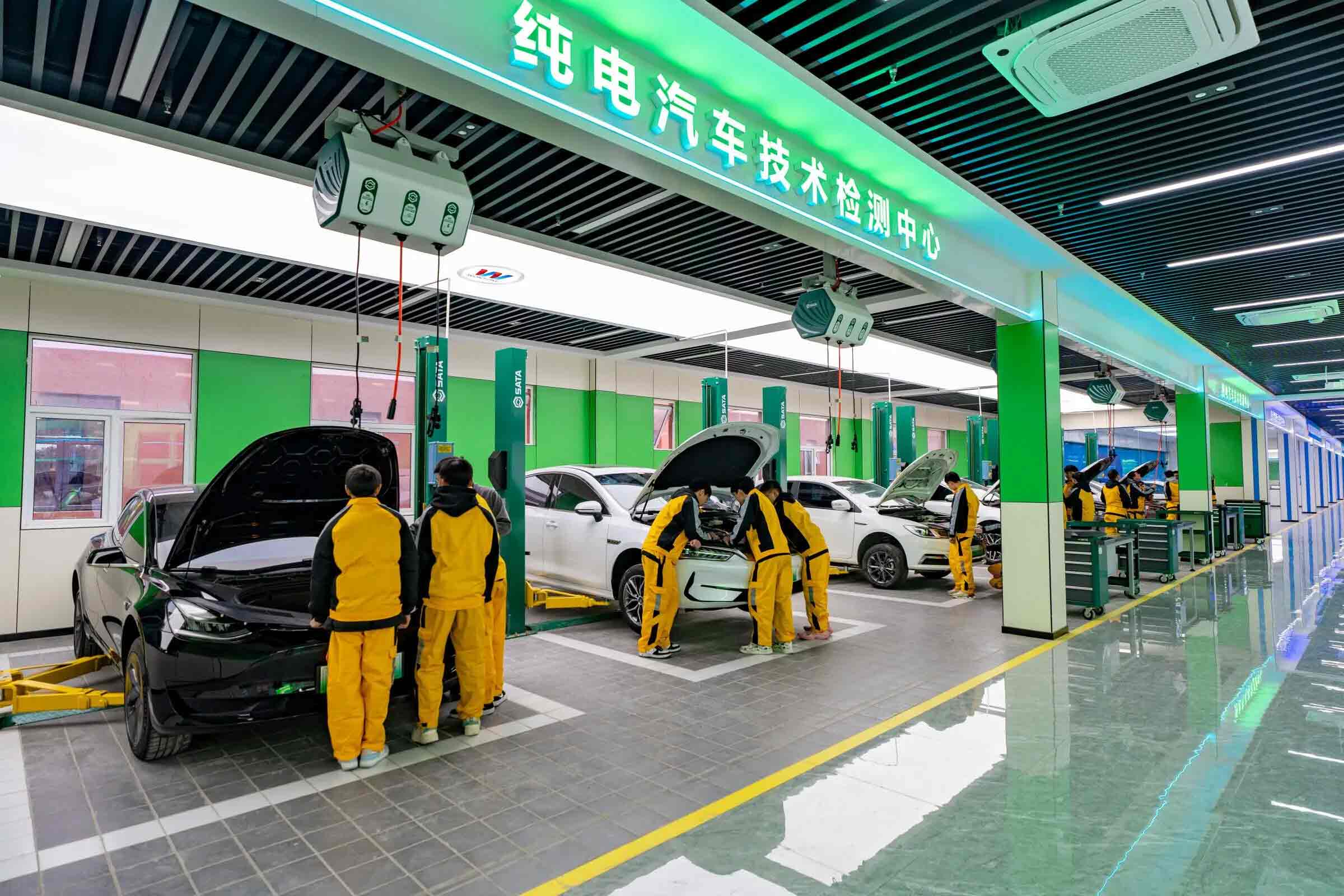
Because the volume of Chinese EVs in markets like the UAE, Chile, and Southeast Asia has exploded, the local parts ecosystems have matured. As an exporter, we now maintain strategic spare parts warehouses in key hubs like Dubai and Singapore. Instead of waiting 90 days for a bumper from Germany, you can often get it in 72 hours from a regional hub. For a B2B buyer, less downtime means higher customer satisfaction.
5. The "Green Premium" in Emerging Markets
Many governments in Africa, Latin America, and Southeast Asia are offering tax breaks for New Energy Vehicles (NEVs) to hit carbon neutrality goals. Importing a Euro 6 diesel might incur heavy levies, whereas a pure electric vehicle might enjoy zero import duty. This regulatory arbitrage is a massive profit driver that smart dealers are exploiting right now.
Conclusion: Don't Wait for the "Safe" Choice
Switching suppliers is scary. I get it. But staying with legacy brands while the market shifts beneath you is riskier. The dealers making bank in 2026 are the ones who took the leap last year.
If you want to discuss specific models for your region or need a transparent cost breakdown (no hidden fees), check our Chinese EV Wholesale Price List or hit the Contact button. I’m happy to share the exact specs we are shipping to your country this week.
Written by Allen Chan, Export Director at Guangdong Auto. With 12 years of experience in the automotive industry, Allen has helped over 200 dealers in 15 countries establish their EV supply chains.
——·Editor's Picks·————————
Top 10 Chinese SUVs in 2026: The Ultimate Guide to China’s Best New SUVs 「click here」
Top Chinese Car Brands Expanding Overseas (2026 Global Strategy Guide) 「click here」
Request a Quote
Guangdong Auto - Best prices for both retail and wholesale.