How Advanced Are BYD’s EV Batteries? A Deep Technical Analysis of Blade Battery Innovation
As electric vehicles reshape the global automotive industry, battery technology has become the defining factor behind performance, safety, and cost efficiency. Among global EV manufacturers, BYD has positioned itself as a technology-driven leader through its proprietary Blade Battery and structural integration platform.
So how advanced are BYD’s EV batteries? What makes the Blade Battery different? And why is it widely considered one of the safest battery systems in mass production today?
This article provides a comprehensive, search-optimized breakdown of BYD battery technology — covering safety, energy density, structural engineering, and long-term durability.
1. What Is the BYD Blade Battery?
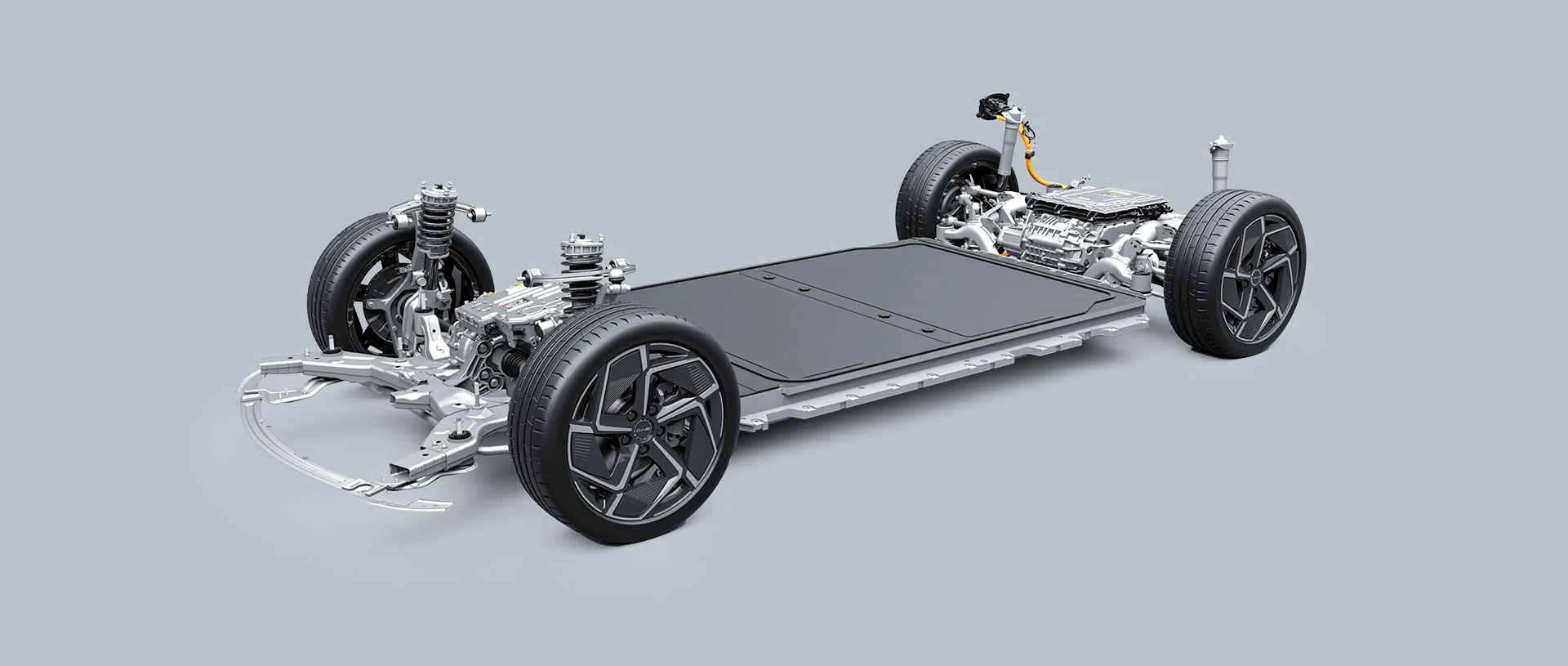
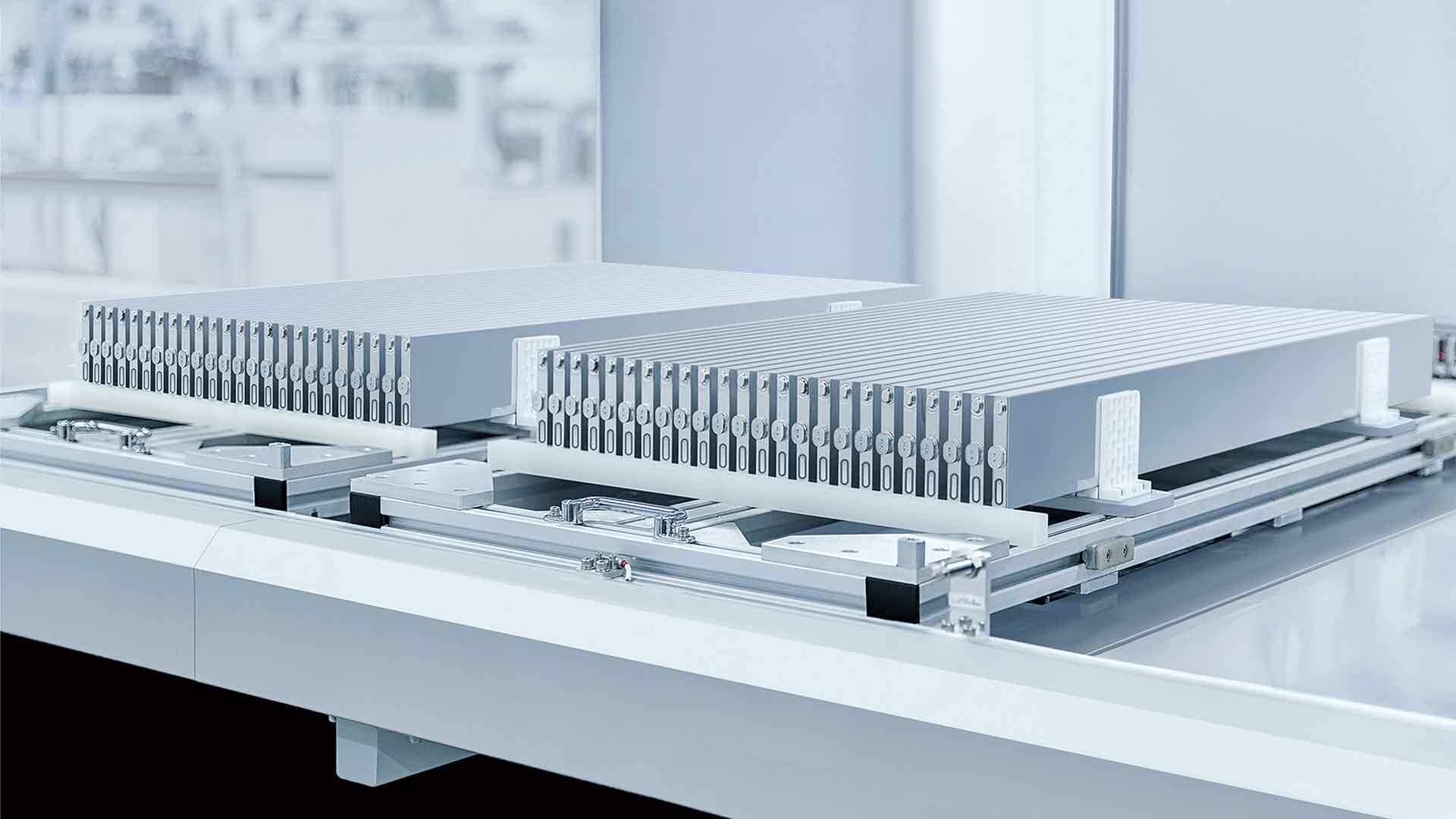
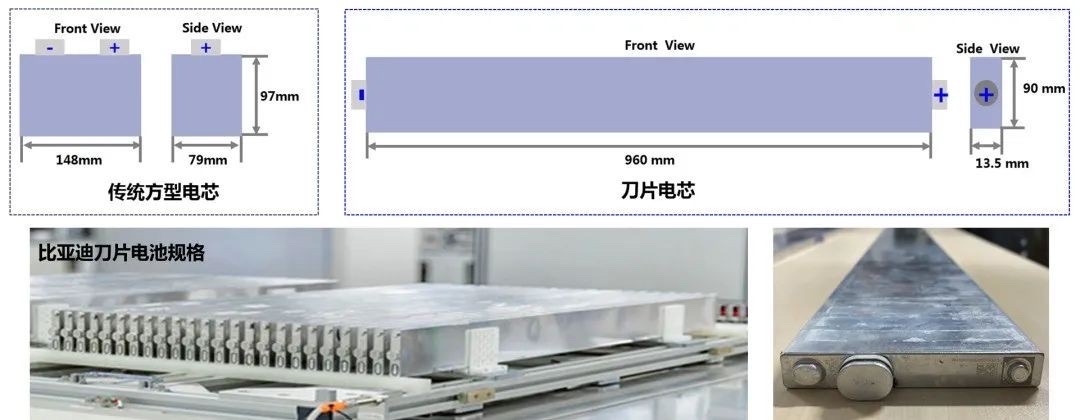
The Blade Battery is a lithium iron phosphate (LFP) battery designed in a long, thin cell format. Unlike traditional short prismatic battery cells grouped into modules, BYD developed an ultra-long cell structure that allows cells to be inserted directly into the battery pack.
Key engineering features include:
• Extended single-cell design
• Module-free battery architecture
• Higher internal space utilization
• Stronger mechanical structure
By removing intermediate module layers, BYD increases system-level efficiency while enhancing structural integrity.
2. Why Is the Blade Battery Known for Safety?
Safety is one of the most critical factors in EV adoption.
In widely publicized nail penetration tests, the Blade Battery demonstrated:
• No fire
• No explosion
• Controlled temperature rise
• Minimal smoke emission
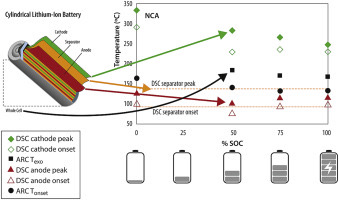
This performance is largely due to the inherent thermal stability of LFP chemistry combined with the elongated cell structure that disperses heat more effectively.
Beyond chemistry, the battery pack design reinforces internal strength, helping prevent thermal propagation under extreme stress conditions.
3. Driving Range and System-Level Optimization
Although LFP batteries historically had lower energy density than some alternative chemistries, BYD improved overall efficiency through structural innovation.
By optimizing pack-level design, reducing redundant components, and maximizing volume usage, BYD narrowed the practical range gap.
Models equipped with Blade Batteries, such as:
• BYD Han EV
• BYD Seal
offer competitive driving range figures suitable for both daily commuting and longer trips.
The focus is not on peak laboratory density but on balanced, real-world performance.
4. CTB Technology: Integrating Battery and Vehicle Structure
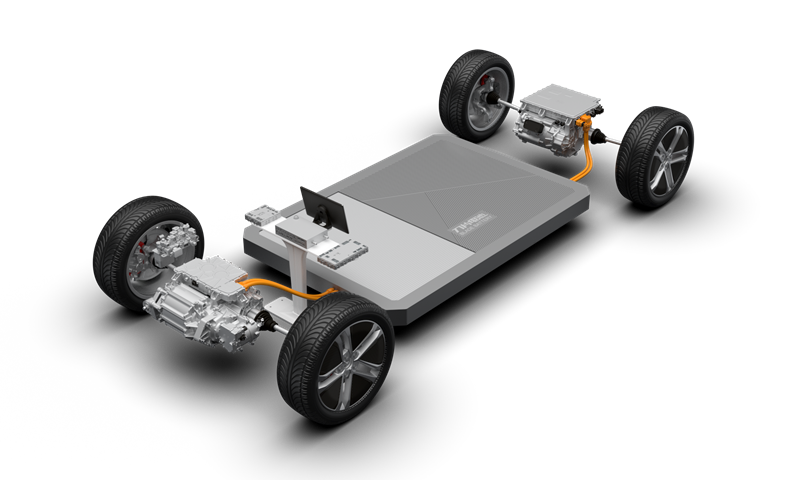
BYD introduced CTB (Cell-to-Body) technology as an evolution of structural integration.
Rather than treating the battery pack as a separate underfloor component, CTB makes the battery part of the vehicle’s body structure.
This approach:
• Increases torsional rigidity
• Lowers the center of gravity
• Improves crash resistance
• Enhances cabin space utilization
CTB represents a shift toward structural battery engineering — a growing trend in next-generation EV platforms.
5. Manufacturing Strength and Vertical Integration
One of BYD’s strongest competitive advantages is its vertically integrated supply chain.
BYD manufactures its own:
• Battery cells
• Power electronics
• Electric motors
• Complete vehicle platforms
This reduces dependency on third-party suppliers and allows tighter quality control across the entire EV production ecosystem.
Vertical integration also enhances cost stability, which is critical in a market affected by raw material price fluctuations.
6. Long-Term Durability and Battery Lifespan
Durability plays a significant role in EV ownership economics.
Blade Battery systems are known for:
• High cycle life capability
• Stable long-term performance
• Slower degradation under frequent charging
For high-mileage drivers and fleet operations, this translates into lower lifetime costs and improved resale value.
7. How Does Blade Battery Compare to Other EV Battery Technologies?
Rather than competing purely on maximum energy density, BYD’s Blade Battery emphasizes a balanced engineering approach.
Compared with many high-energy-density battery chemistries, the Blade Battery typically prioritizes thermal stability and structural strength. While some battery systems may offer higher theoretical energy density, they can also face greater thermal management challenges.
Blade Battery systems focus on:
• Enhanced safety under extreme testing conditions
• Lower risk of thermal runaway
• Competitive real-world driving range
• Cost-efficient large-scale production
• Long cycle durability
This positioning makes the Blade Battery particularly suitable for mass-market electric vehicles where safety, reliability, and affordability are primary concerns.
Instead of pursuing extreme specifications, BYD optimized for practical, scalable performance.
Final Assessment: How Advanced Are BYD EV Batteries?
BYD’s battery innovation stands out because it integrates chemistry, structure, and manufacturing into one cohesive system.
The Blade Battery is advanced not simply because of materials, but because of:
• Structural redesign
• Thermal safety engineering
• Efficient system integration
• Scalable manufacturing
• Long-term durability
In today’s EV market, battery leadership is defined by overall system performance — and in that respect, BYD has established itself as a major global contender.
Request a Quote
Guangdong Auto - Best prices for both retail and wholesale.