5 Proven Ways to Tell If a Used Car Has Been in an Accident (Buyer’s 2026 Guide)
Buying a used car can save you thousands—but hidden accident damage can cost you even more. Structural repairs, frame misalignment, airbag replacement issues, and poor-quality repainting can all reduce safety, resale value, and long-term reliability.
In this comprehensive guide, you’ll learn five proven, expert-backed ways to check whether a used car has been in an accident—even if the seller doesn’t disclose it. These methods are used by professional inspectors, dealerships, and insurance adjusters.
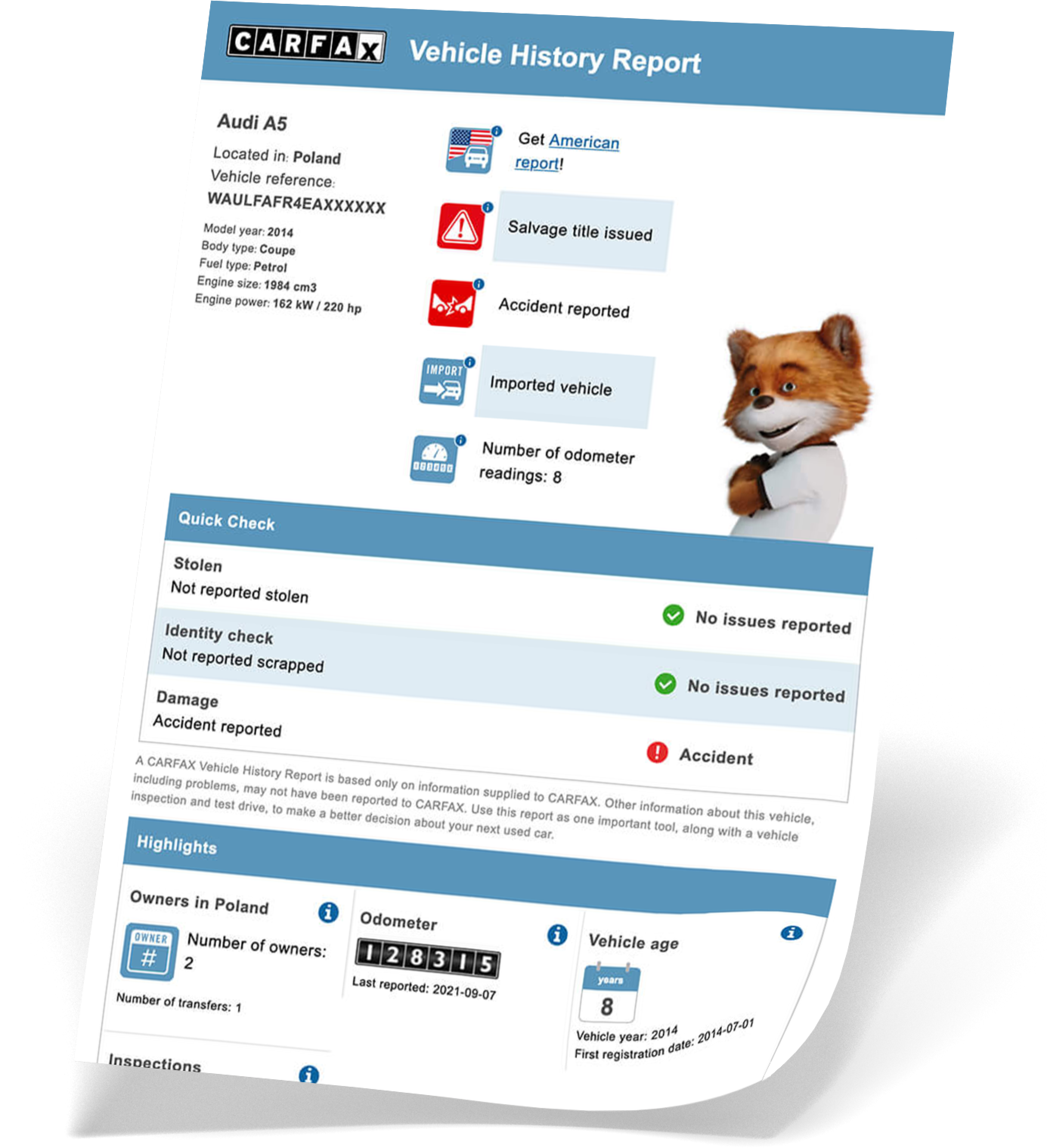
1. Check the Vehicle History Report (But Don’t Rely on It Alone)
Before physically inspecting the vehicle, start with its VIN (Vehicle Identification Number).
Use trusted reporting services like:
•Carfax
•AutoCheck
These reports may show:
•Reported accidents
•Insurance claims
•Salvage or rebuilt title
•Airbag deployment records
•Total loss declarations
⚠ Important Limitation
Not all accidents are reported to insurance companies. Minor collisions repaired privately may never appear in a database.
Pro Tip: A clean vehicle history report does NOT guarantee a clean accident history.
2. Inspect Paint Consistency and Body Panel Alignment
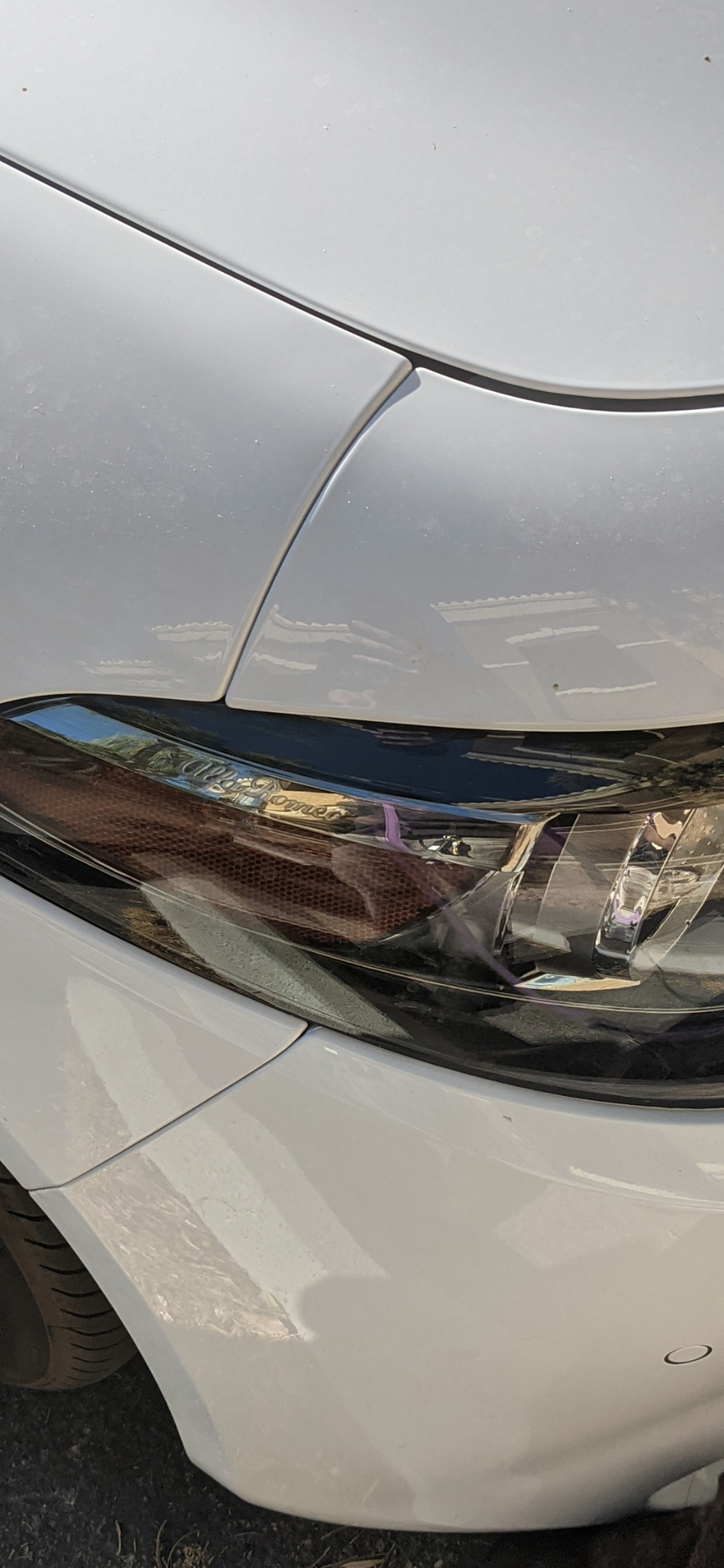
One of the clearest signs of previous accident damage is inconsistent bodywork.
What to Look For:
✔ Uneven panel gaps between doors, hood, and trunk
✔ Slight color variations between panels
✔ Overspray on rubber seals or window trim
✔ Paint bubbles or sanding marks
✔ Rough texture compared to factory finish
Factory paint is applied by robots and is extremely consistent. Repaired panels often show small imperfections when viewed in natural daylight.
3. Examine the Frame and Underbody for Structural Damage
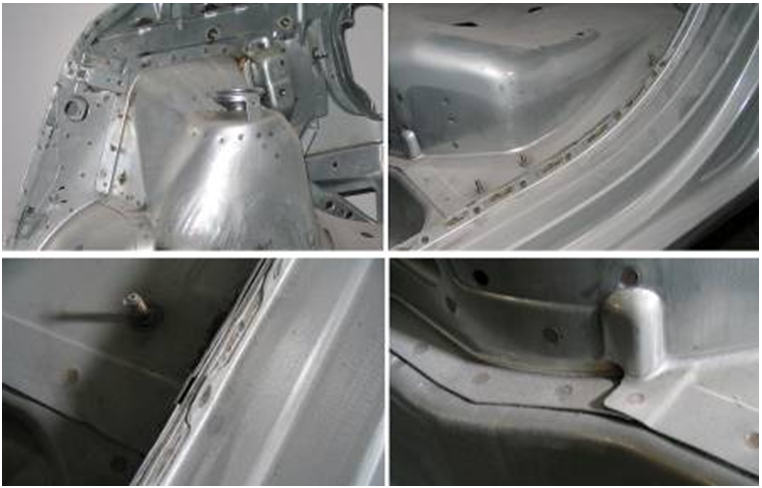
Frame damage is the most serious consequence of a major accident.
Check Under the Vehicle For:
•Fresh weld marks
•Bent or cracked frame rails
•Uneven rust patterns
•Crumple zones that look repaired
•Misaligned suspension components
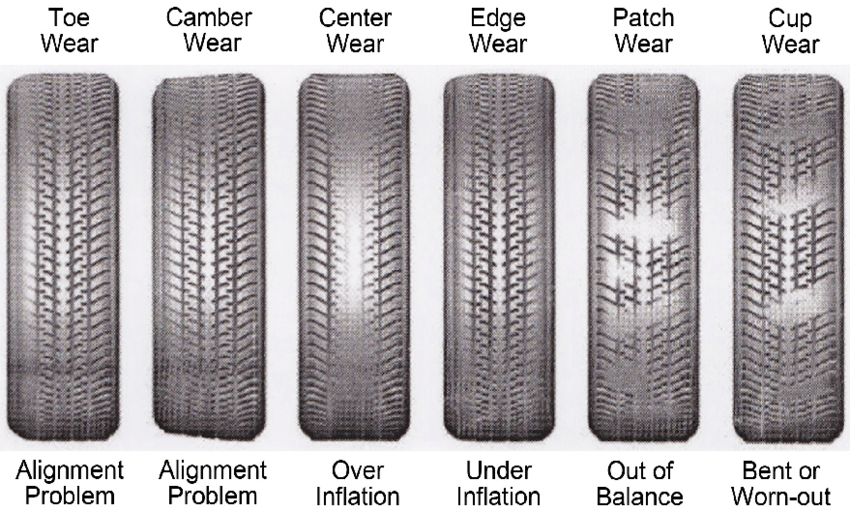
If possible, have the vehicle lifted for a full inspection. Even slight frame misalignment can cause:
•Uneven tire wear
•Steering pull
•Reduced crash protection
•Long-term mechanical stress
For professional verification, consider a certified pre-purchase inspection from an independent mechanic or services like AAA approved auto shops.
4. Look for Airbag and Interior Warning Signs
Airbags deploy only in moderate to severe collisions. If they were replaced improperly, it’s a major safety risk.
Warning Signs Include:
✔ Airbag warning light stays on
✔ Uneven dashboard seams
✔ Loose steering wheel center cover
✔ New seatbelts in an otherwise worn interior
✔ Missing airbag labels
Modern vehicles store crash data in onboard modules. A professional diagnostic scan can reveal previous deployments even if the airbags were replaced.
5. Test Drive for Alignment and Handling Issues
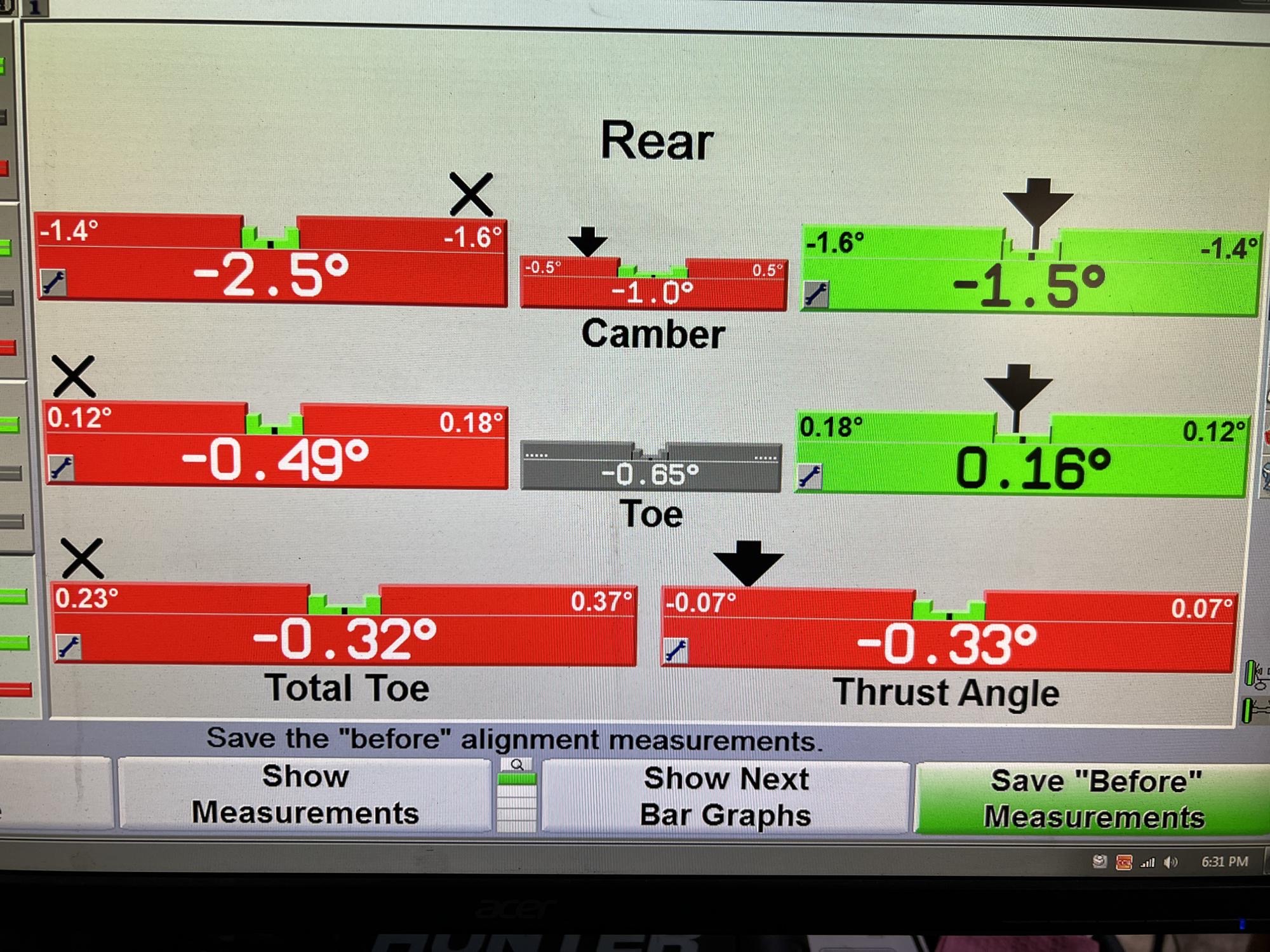
A thorough test drive reveals issues that visual checks might miss.
During the Drive:
•Release the steering wheel briefly (on a safe, straight road) — does it pull?
•Check if the steering wheel sits straight while driving straight
•Listen for unusual suspension noises
•Feel for vibration at highway speeds
•Check braking stability
Post-accident vehicles often have hidden suspension or subframe misalignment that affects driving dynamics.
Bonus: Hire a Professional Pre-Purchase Inspection (PPI)
If you’re unsure, spending $100–$200 on an independent inspection can prevent thousands in future repairs. Certified inspectors use:
•Frame measuring systems
•Paint thickness gauges
•OBD diagnostic scanners
•Structural alignment tools
For high-value vehicles, this step is strongly recommended.
Why Accident History Matters
A car that has been in an accident may have:
•Lower resale value
•Higher insurance premiums
•Safety compromises
•Hidden structural fatigue
•Warranty complications
Even properly repaired vehicles should be priced accordingly.
Expert Buying Checklist (Quick Summary)
Before purchasing a used car:
✅ Run a VIN history report
✅ Inspect paint and panel alignment
✅ Check frame and underbody
✅ Scan for airbag deployment
✅ Take a detailed test drive
✅ Get a professional PPI
Final Thoughts: Smart Buyers Inspect, Not Assume
Used car accidents are more common than many sellers admit. With careful inspection and informed evaluation, you can avoid buying a vehicle with hidden damage.
The goal isn’t just finding a cheap car—it’s finding a safe, reliable one.
Request a Quote
Guangdong Auto - Best prices for both retail and wholesale.