15-Point Used Car Inspection Checklist Dealers Don’t Want You to See
Buying a used car can save thousands of dollars—but only if you know exactly what to check. Many buyers rely on dealer descriptions or a quick test drive. That’s risky. A thorough inspection helps you avoid hidden mechanical problems, flood damage, odometer fraud, and expensive repairs.
This 15-point used car inspection checklist is designed to give you the same structured evaluation process professionals use—so you can negotiate confidently and avoid costly mistakes.
Why a Proper Used Car Inspection Matters
According to data from organizations like the National Highway Traffic Safety Administration, vehicle defects contribute to thousands of breakdowns and accidents each year. Many of these issues could have been detected with a proper pre-purchase inspection.
A detailed used car inspection helps you:
• Avoid hidden mechanical problems
• Identify accident or flood damage
• Estimate upcoming maintenance costs
• Negotiate a better purchase price
• Prevent unsafe driving conditions
If you’re searching for “used car inspection checklist pdf,” “what to check when buying a used car,” or “pre purchase car inspection guide,” this guide covers it all in practical detail.
The 15-Point Used Car Inspection Checklist
1. Vehicle History Report
Look for:
• Accident history
• Title status (clean, salvage, rebuilt)
• Odometer inconsistencies
• Flood damage reports
• Service records
⚠️ Red Flag: Repeated ownership changes within short periods.
2. Exterior Body Condition
Inspect the vehicle in daylight.
Check for:
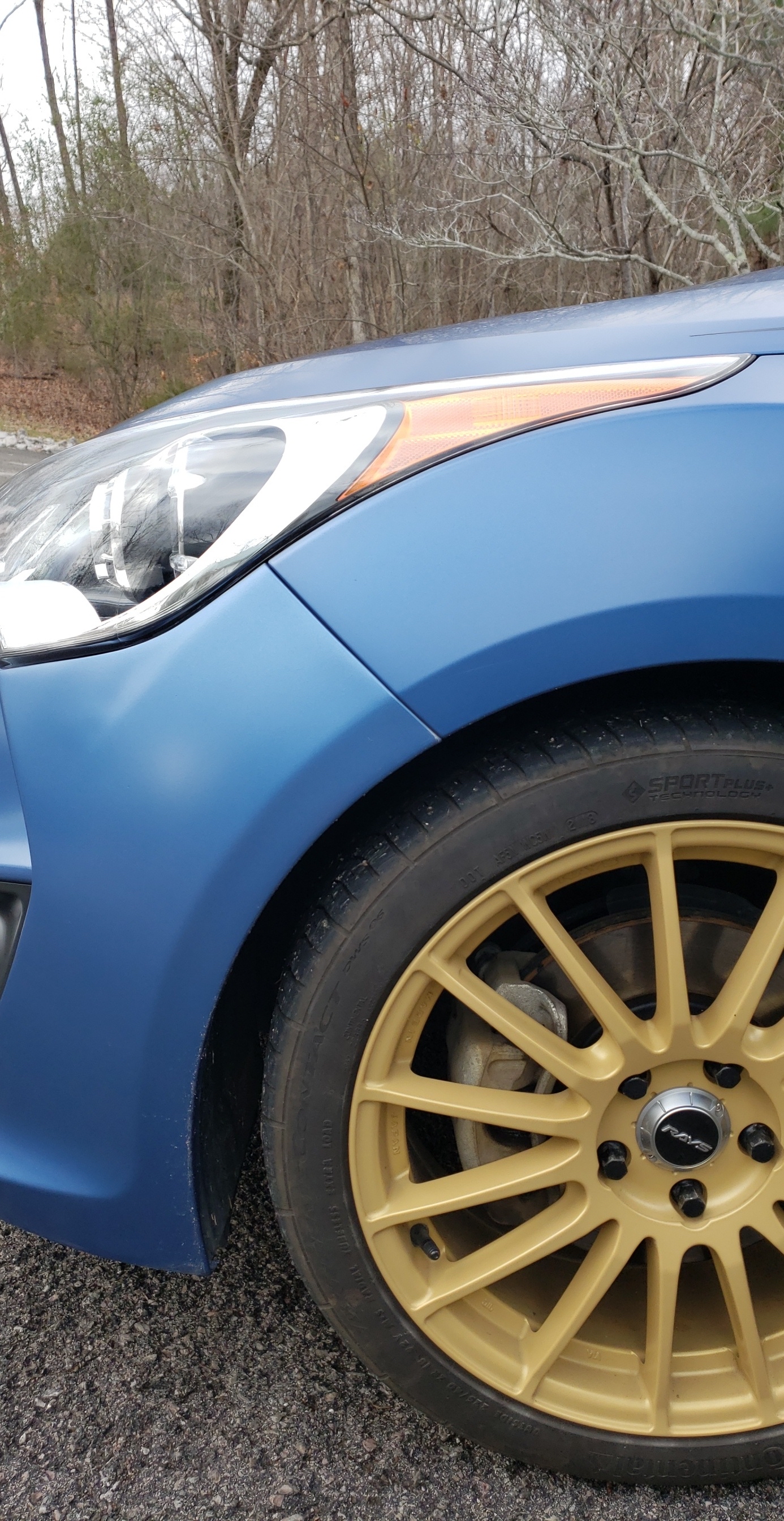
• Uneven paint (may indicate repainting after an accident)
• Rust around wheel wells and under doors
• Panel gaps that don’t align
• Dents or deep scratches
Tip: Stand at an angle and look for paint waves or reflections that look distorted.
3. Frame and Underbody
If possible, crouch down and inspect underneath.
Look for:
• Excessive rust
• Bent frame components
• Fresh undercoating (can hide damage)
• Oil or transmission leaks
A damaged frame can compromise safety and alignment.
4. Tires and Wheels
Check:
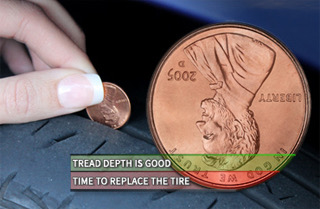
• Uneven tread wear (possible suspension issues)
• Tire age (DOT code on sidewall)
• Cracks or dry rot
• Wheel damage
Uneven wear can indicate alignment or steering problems.
5. Engine Bay Inspection
Open the hood and examine:
• Oil level and color
• Coolant condition
• Battery corrosion
• Belts and hoses
⚠️ Milky oil could indicate head gasket failure.
6. Transmission Performance
During your test drive:
• Ensure smooth shifting
• Listen for clunks or delays
• Check for slipping
Transmission repairs are among the most expensive used car fixes.
7. Brake System
Pay attention to:
• Grinding noises
• Vibrations when braking
• Soft brake pedal feel
Brake issues affect safety directly.
8. Suspension and Steering
Drive over small bumps:
• Listen for knocking sounds
• Notice pulling to one side
• Check steering wheel vibration
These may signal worn bushings or shock absorbers.
9. Interior Condition
Inspect:
• Seat wear vs. mileage
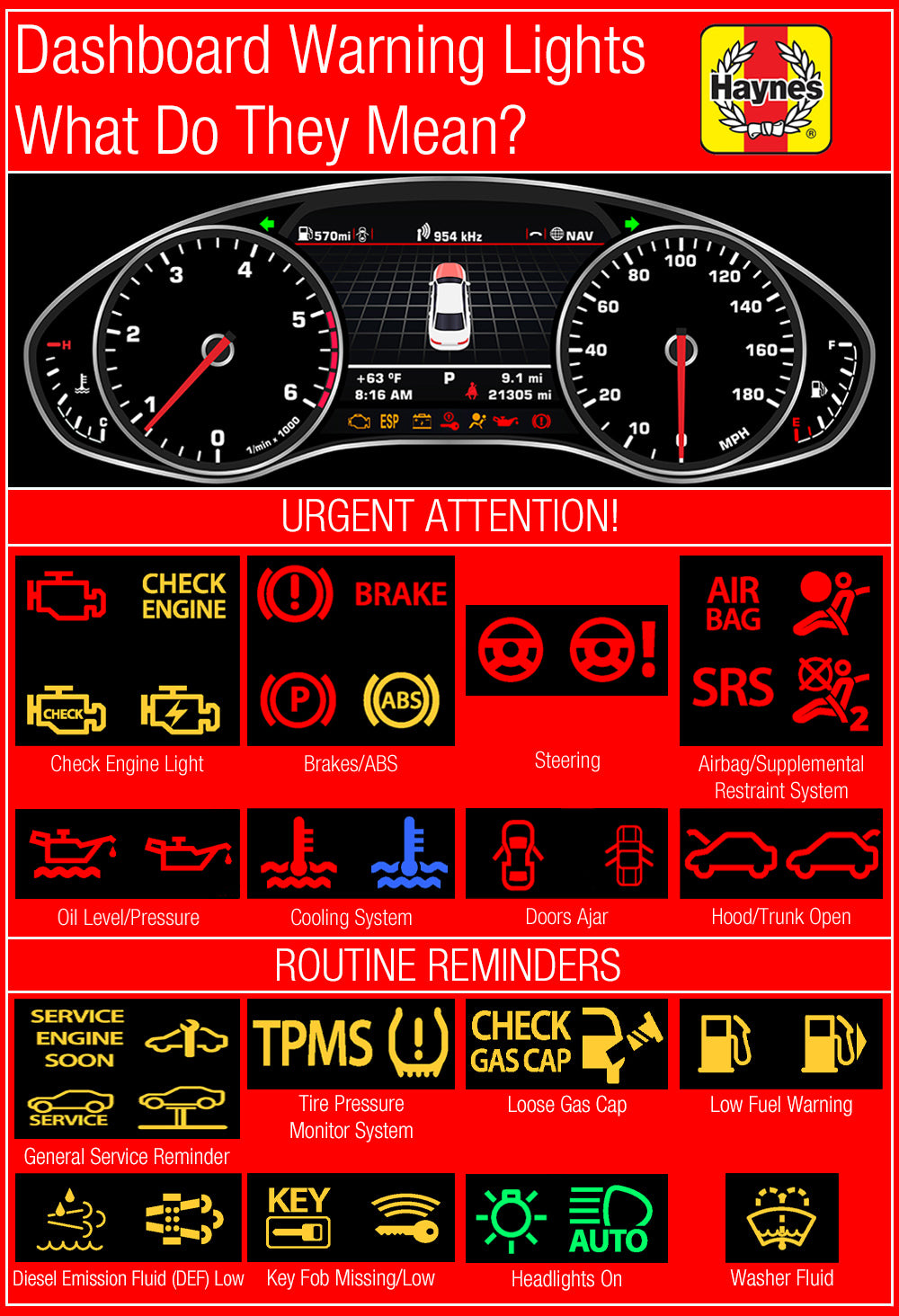
• Warning lights on dashboard
• Water damage under carpets
• Sagging headliner
Heavy wear on low-mileage vehicles is suspicious.
10. Electrical System
Test:
• Power windows
• Locks
• Headlights
• Infotainment system
• Backup camera
Electrical problems can be expensive and time-consuming to repair.
11. Air Conditioning & Heating
Run both systems fully:
• Ensure strong airflow
• Confirm temperature changes properly
• Listen for unusual compressor noises
AC repair costs can exceed $1,000.
12. Odometer Verification
Compare mileage with:
• Service records
• Vehicle history report
• Interior wear
Odometer fraud still occurs in the used car market.
13. Fluids Check
Inspect:
• Engine oil
• Transmission fluid
• Brake fluid
• Power steering fluid
Dark, dirty, or low fluid levels suggest neglect.
14. Test Drive Evaluation
Drive in multiple conditions:
• Highway speeds
• Stop-and-go traffic
• Sharp turns
Listen carefully and trust your instincts.
15. Professional Pre-Purchase Inspection (PPI)
Even after doing your own inspection, consider a certified mechanic inspection.
Organizations like the American Automobile Association recommend professional inspections before purchasing used vehicles.
Cost: Typically $100–$200
Savings: Potentially thousands
Bonus: Questions to Ask the Dealer
• Why is the car being sold?
• Has it been in any accidents?
• Can I see maintenance records?
• Is there a return policy?
• Can I take it to an independent mechanic?
If a dealer refuses an independent inspection, walk away.
Common Used Car Red Flags
• Salvage or rebuilt title
• Flood damage signs
• Engine knocking
• Transmission slipping
• Warning lights that won’t turn off
• Suspiciously low price
If a deal seems too good to be true—it usually is.
Final Thoughts
Buying a used car doesn’t have to be stressful. With this 15-point used car inspection checklist, you can confidently evaluate any vehicle before signing paperwork.
Take your time. Inspect thoroughly. Verify everything.
A careful inspection today can prevent expensive repairs tomorrow.
Request a Quote
Guangdong Auto - Best prices for both retail and wholesale.