12 Hidden Factors That Affect Used Car Prices (Most Buyers Overlook #4)
Buying a used car seems simple: check the mileage, compare the price, take a test drive. But in reality, used car prices are influenced by many hidden factors that most buyers overlook.
If you’ve ever wondered why two seemingly identical cars can differ in price by thousands of dollars, this guide explains exactly why.
Below are 12 overlooked factors that directly impact used car value, backed by market logic, industry standards, and real-world buying behavior.
1. Regional Market Demand
Used car prices vary dramatically by location.
• Pickup trucks sell for more in rural states.
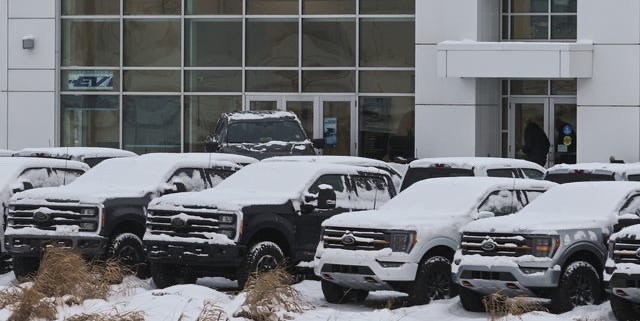
• AWD SUVs command higher prices in snowy regions.
• Compact hybrids are in higher demand in major cities.
For example:
• Trucks often cost more in Texas.
• AWD vehicles are priced higher in northern states with heavy winters.
Tip: Always compare national listings before buying locally.
2. Vehicle Color Popularity
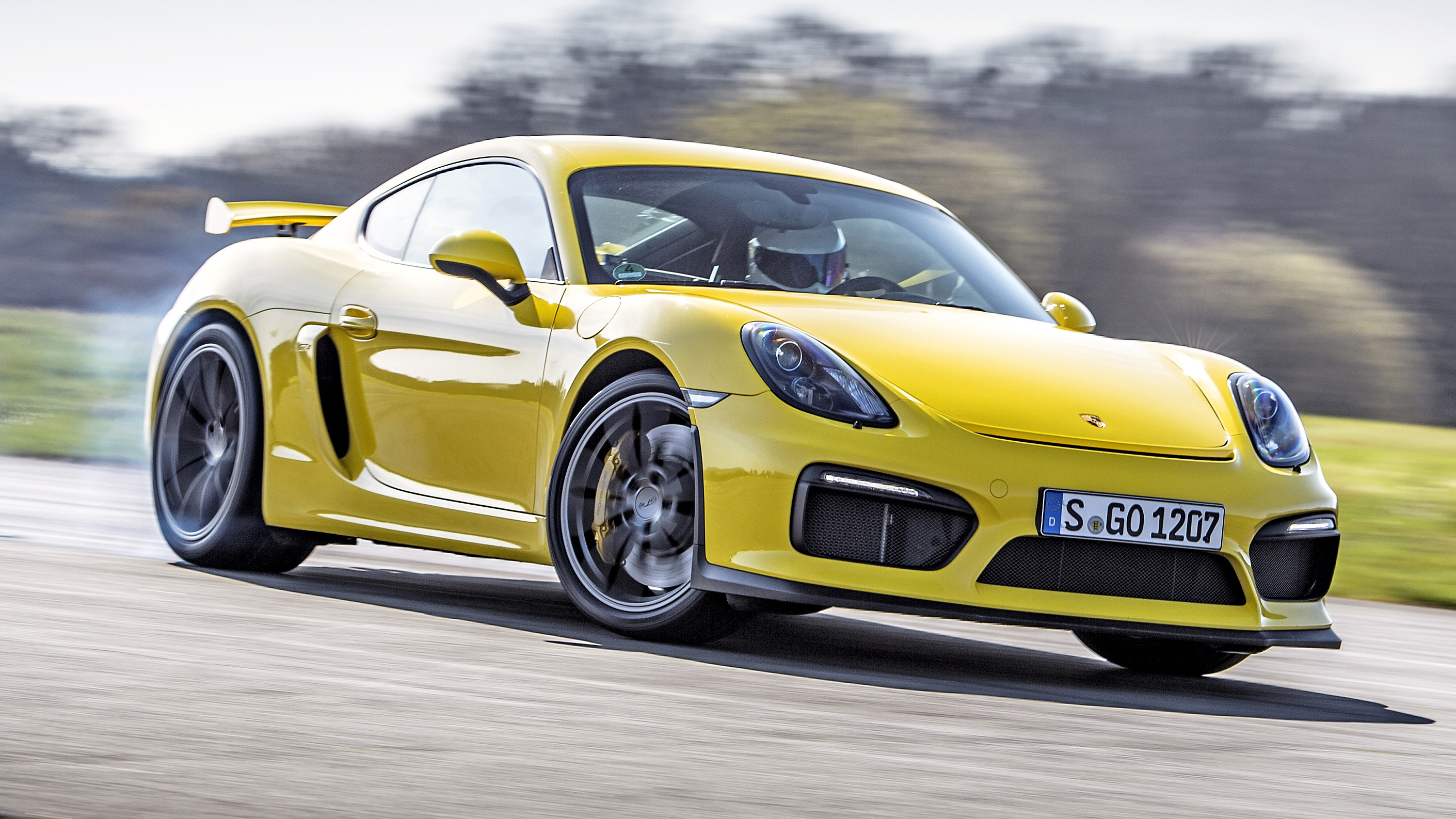
Color affects resale value more than people expect.
High-resale colors:
• White
• Black
• Silver
• Gray
Lower-resale colors:
• Bright yellow
• Orange
• Lime green
• Purple
Neutral colors appeal to more buyers, which supports stronger resale value.
3. Previous Ownership History
A one-owner vehicle typically sells for more than a car with multiple owners.
Why?
• Fewer ownership transfers suggest stability.
• Maintenance consistency is more likely.
• Lower risk perception among buyers.
Even if condition is similar, ownership count can impact pricing by 3–8%.
4. Service Records (Most Buyers Overlook This)
This is the big one.
Two cars:
• Same model
• Same mileage
• Same year
But one has complete service records, and the other has none.
The documented car almost always commands a higher price.
Why it matters:
• Proves oil changes were done regularly
• Shows timing belt/major service completion
• Reduces buyer uncertainty
• Increases lender confidence
Dealers and private buyers both pay more for documented maintenance history.
If you’re buying: always ask for records.
If you’re selling: organize them.
5. Trim Level & Optional Packages
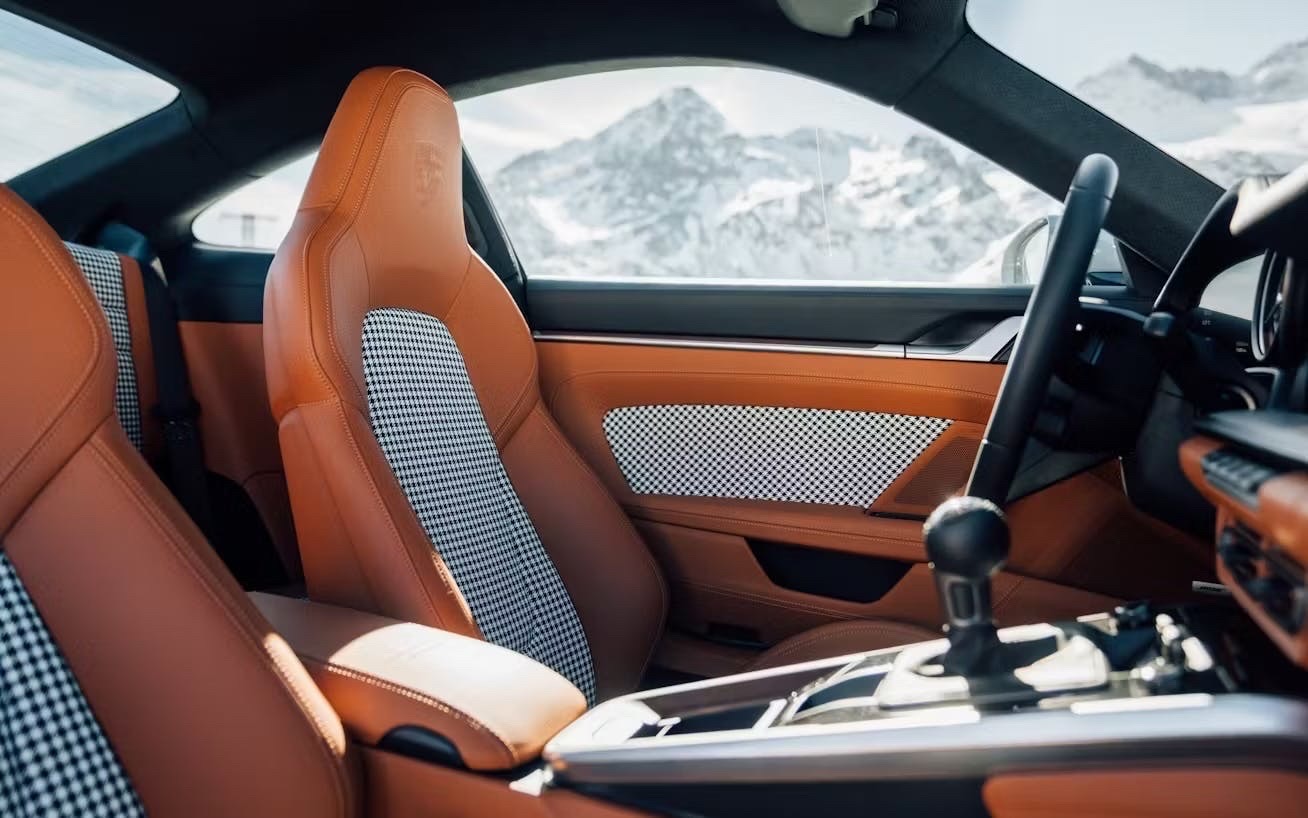
Many buyers compare only year and mileage, but trim level dramatically affects value.
For example:
• Base trim vs premium trim
• Cloth seats vs leather
• No sunroof vs panoramic sunroof
• Standard audio vs premium sound system
Higher trims retain value better, especially when they include:
• Advanced safety features
• Adaptive cruise control
• Large infotainment screens
6. Accident History Severity
Not all accident reports affect value equally.
Minor bumper repair:
• Small price reduction
Frame damage or airbag deployment:
• Major depreciation
Even professionally repaired vehicles may lose 10–30% in resale value depending on severity.
7. Vehicle Age vs Mileage Ratio
A 3-year-old car with 80,000 miles signals heavy usage.
A 7-year-old car with 40,000 miles signals light usage.
Buyers evaluate:
• Average annual mileage (12,000–15,000 miles is typical)
• Highway vs city driving
• Commercial vs personal use
High mileage for age often reduces value more than age alone.
8. Market Timing & Seasonality
Timing affects used car prices significantly.
Examples:
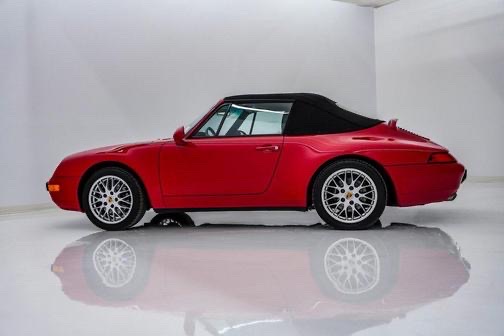
• Convertibles sell for more in spring/summer.
• 4WD SUVs rise in price before winter.
• Prices often soften near year-end due to inventory turnover.
Buying off-season can save thousands.
9. Brand Reputation & Reliability Ratings
Brands known for reliability maintain stronger resale value.
For example:
• Toyota
• Honda
• Subaru
These brands often outperform luxury brands in resale stability due to perceived long-term durability.
Buyers research reliability before making offers.
10. Technology Obsolescence
Vehicles with outdated tech lose value faster.
Examples:
• Old infotainment systems without smartphone integration
• No backup camera (mandatory in newer U.S. models after 2018)
• Lack of driver-assistance features
Modern buyers expect:
• Apple CarPlay / Android Auto
• Blind spot monitoring
• Rearview cameras
Older tech impacts perceived value.
11. Title Status (Clean vs Rebuilt)
Title branding heavily affects pricing.
• Clean title = highest resale value
• Rebuilt or salvage title = significantly discounted
Even if fully repaired, rebuilt vehicles often sell 20–40% lower than clean-title equivalents.
12. Supply Chain & Economic Conditions
Used car prices fluctuate based on:
• New vehicle shortages
• Semiconductor supply issues
• Interest rates
• Fuel prices
For example, during chip shortages, used car prices surged due to limited new inventory.
Macroeconomic conditions matter more than many buyers realize.
How to Use This Information as a Buyer
1. Compare service documentation, not just mileage.
2. Research trim level differences.
3. Check seasonal timing before purchasing.
4. Understand regional demand.
5. Review accident reports carefully.
Final Thoughts
Used car pricing isn’t random.
It’s influenced by market demand, documentation, condition, brand reputation, and timing.
Most buyers focus only on mileage and year — but understanding these 12 hidden factors gives you negotiation power and prevents overpaying.
If you’re shopping for a used vehicle, analyzing these variables can easily save you thousands.
Request a Quote
Guangdong Auto - Best prices for both retail and wholesale.